Development Finance
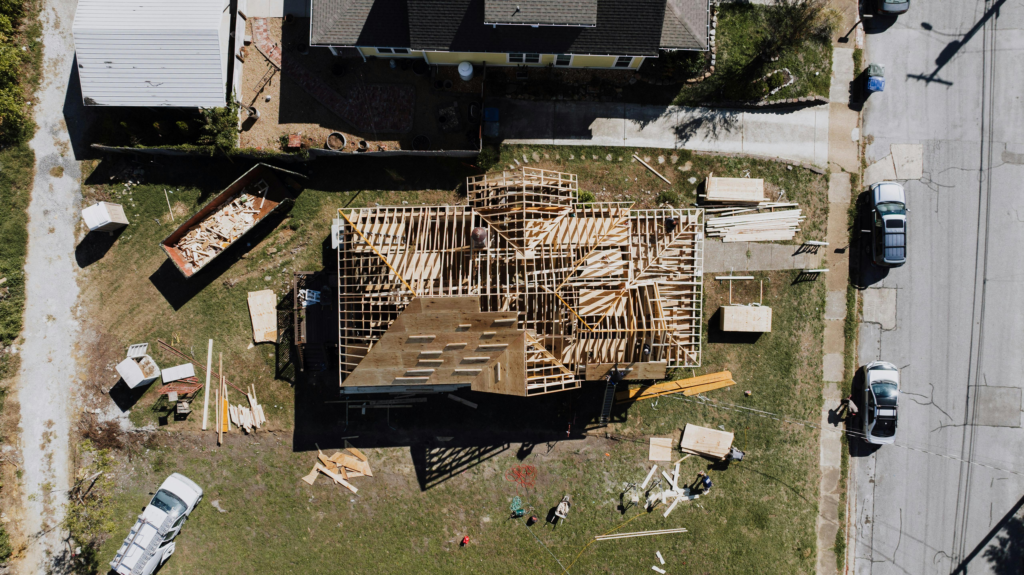
Development finance is used to fund projects such as new-build constructions and property conversions.
Introduction: What Is Development Finance?
Development finance is a short-term funding solution tailored for property developers undertaking projects such as new builds, refurbishments, or conversions. This specialised finance is designed to cover the costs associated with purchasing land, construction, and other development-related expenses. Unlike traditional mortgages, development finance is released in stages, aligned with the completion of specific project milestones, ensuring that developers have the necessary capital throughout the project's lifecycle.
- Short-term funding for property development projects, including new builds, refurbishments, and conversions.
- Funds are released in stages based on project milestones to cover costs efficiently.
- Lenders assess developer experience, project viability, exit strategy, and financial standing.
How can we help you?
Contact us at Templar Mortgages - 0121 453 4244.
Key Aspects of Development Finance
1. Types of Development Finance
Development finance in the UK is available in several forms, depending on the type of project being undertaken. Residential development finance is designed for projects such as constructing new homes or converting existing properties into residential units. Commercial development finance, by contrast, supports the building or conversion of offices, retail premises, or industrial spaces, helping businesses expand their property portfolios. Mixed-use development finance combines both residential and commercial elements, providing funding for projects that deliver diverse investment opportunities and broaden market appeal.
2. Loan Structure and Disbursement
Development finance loans are structured in a way that reflects both the cost of the project and its anticipated value upon completion. Lenders commonly assess the loan-to-cost (LTC) ratio, which represents the percentage of the total project cost they are prepared to finance, and the loan-to-gross development value (LTGDV), which measures the proportion of the finished property’s value they are willing to support. Unlike traditional mortgages, funds are not provided in a single lump sum but are released gradually in stages, known as drawdowns. Each drawdown is triggered by the completion of specific project milestones, such as laying the foundation or completing the roof, ensuring the loan aligns with construction progress.
3. Eligibility Criteria
When reviewing a development finance application, lenders consider a number of key factors. A developer’s level of experience plays an important role, as those with a proven track record in delivering similar projects are often viewed more favourably. The overall viability of the project is also critical, requiring a comprehensive business plan that details cost estimates, timelines, and projected returns. A clear exit strategy is essential, typically involving either the sale of the completed property or refinancing once the project is finished. In addition, lenders will closely review both personal and corporate financial standing, examining credit histories and financial statements to assess the applicant’s ability to manage the loan responsibly.
Navigating Development Finance
Securing development finance is a crucial step for property developers looking to bring their projects to fruition. Understanding the various types of development finance, the loan structures, and the eligibility criteria can aid in making informed decisions. It's advisable to consult with financial experts or mortgage brokers who specialise in development finance to ensure the best possible outcome for your project
If you need further assistance or wish to explore mortgage options tailored to your specific circumstances, please feel free to contact our expert advisers. They can guide you through the process and help you make the right choice for your future.
FAQ : Development Finance
What is development finance?
A short-term loan used to fund property construction, renovations, or conversions until the project is sold or refinanced.
How much can I borrow?
Typically up to 65–70% of the land/property value and 100% of build costs, subject to experience and project viability.
How are funds released?
Usually in stages (drawdowns)—initially for land purchase, then further instalments as construction progresses.Interest can be paid monthly or “rolled up” and repaid at the end.
What does it cost?
Interest rates start around 0.5%–1.5% per month, plus arrangement, valuation, monitoring, and exit fees.
Who can apply?
Both experienced developers and first-time builders (with strong exit strategies), covering residential, commercial, or mixed-use projects.